

Environmental data (EPD)
The environmental impact of TAVINOX PRESS press fittings and TAVINOX welded tubes has been calculated by life cycle assessment (LCA) and independently verified. The figures on this page come from two Environmental Product Declarations (EPDs) to ISO 14025 and EN 15804 — verified by TZÚS Praha, registered in the Czech National Environmental Labelling Programme run by the Ministry of the Environment, and valid until 17 June 2031.
Two declarations, two product groups
Fittings and tubes each have their own EPD with its own declared unit. That is why we state them separately and do not add them up.
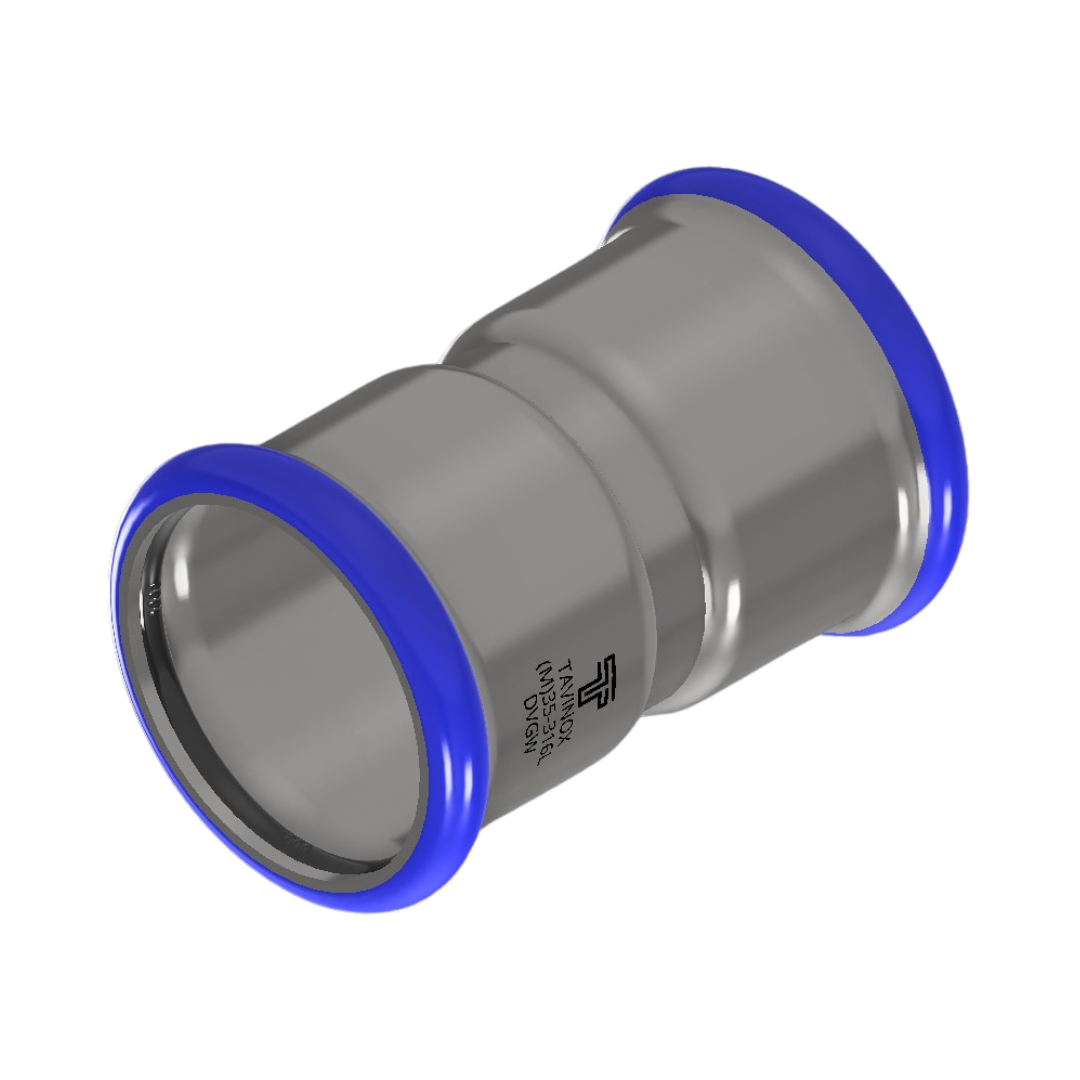
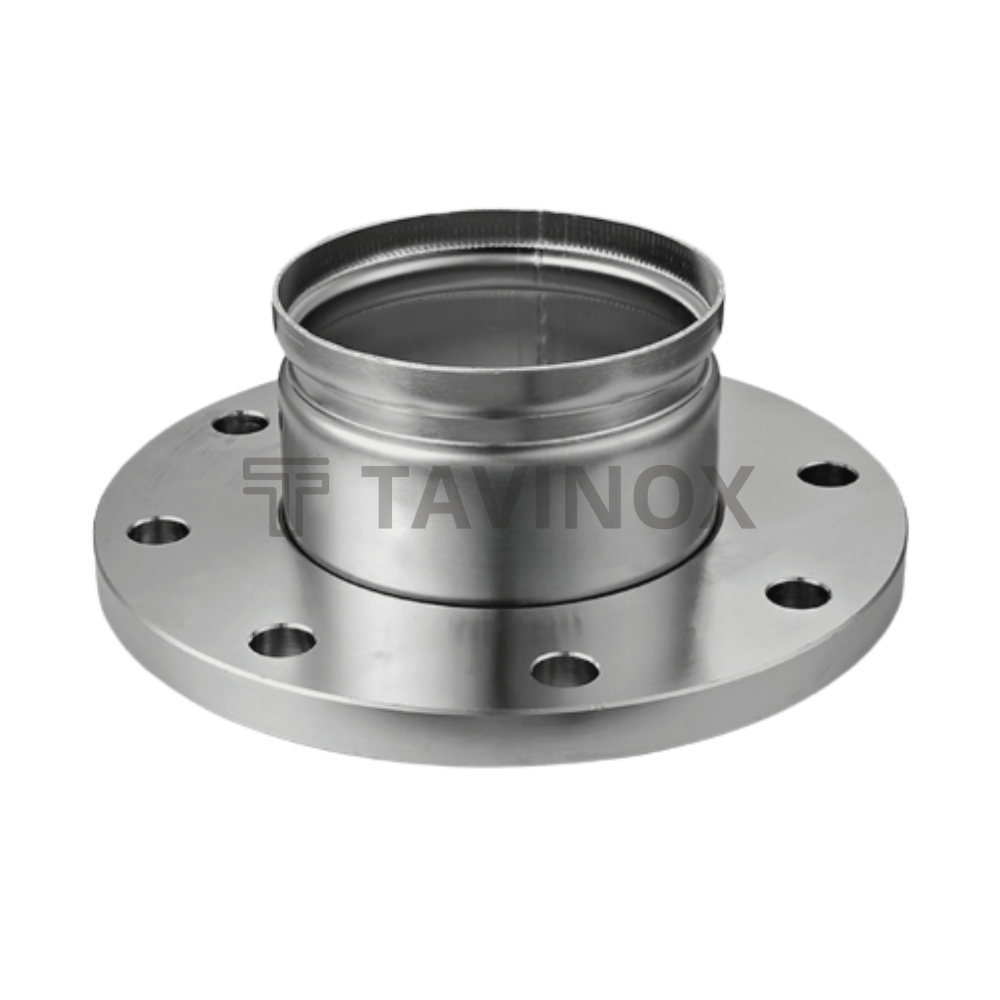
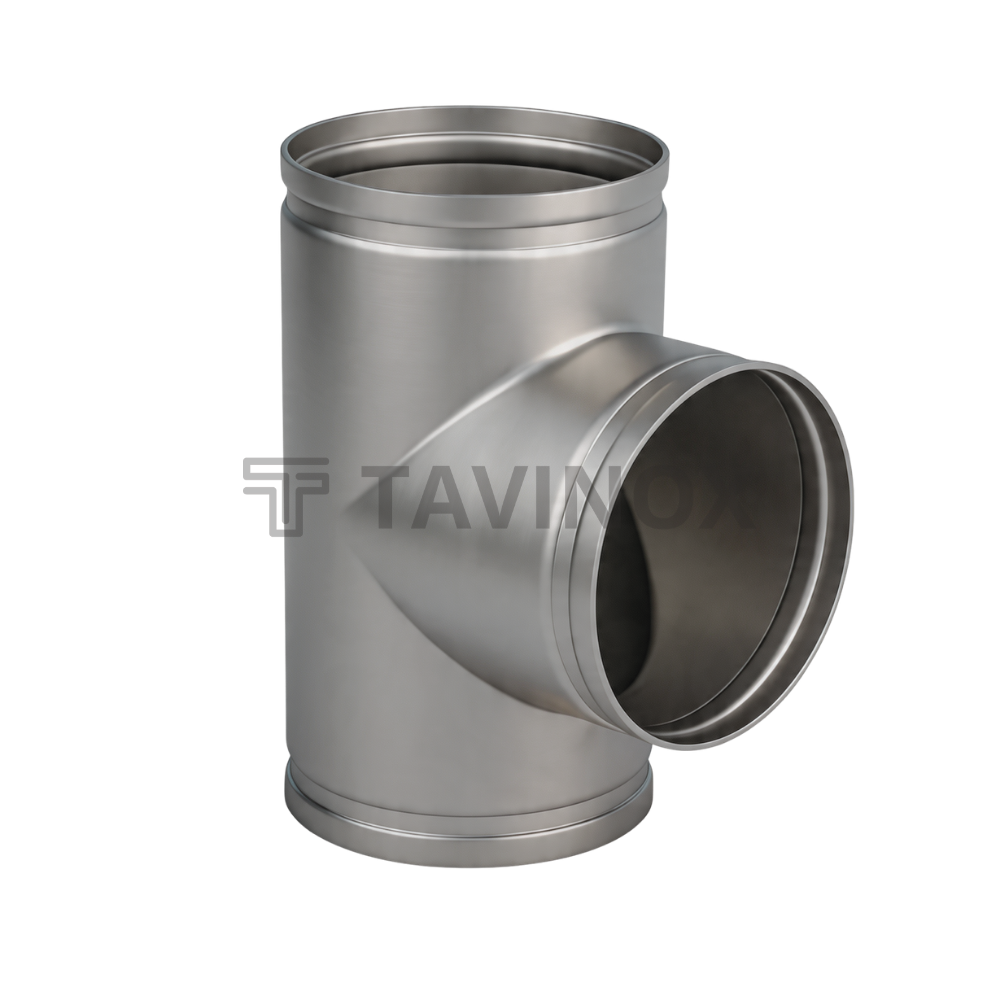
TAVINOX PRESS press fittings
EPD no. 3015-EPD-030070031
- Declared unit
- 1 kg of press fittings in AISI 316L stainless steel
- Declared product range
- TAVINOX PRESS press fittings in AISI 316L, nominal sizes 15–108 mm
- Recycled content
- 80% of the mass of the fittings (post-consumer)
- Carbon footprint (GWP-total), modules A1–A3
- 7.43 kg CO₂ eq. per 1 kg of fittings
- End of life in the calculation
- 85% of the steel from fittings recycled, 15% landfilled
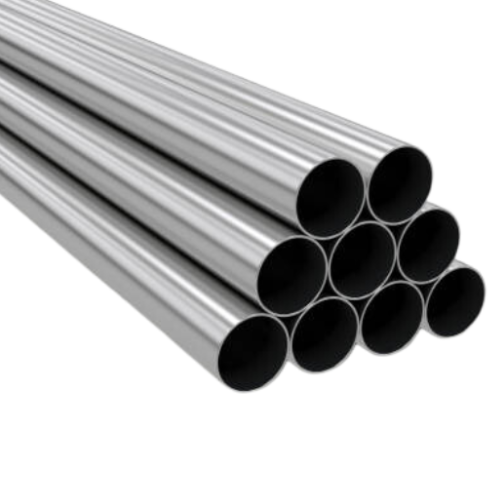
TAVINOX welded stainless steel tubes
EPD no. 3015-EPD-030070030
- Declared unit
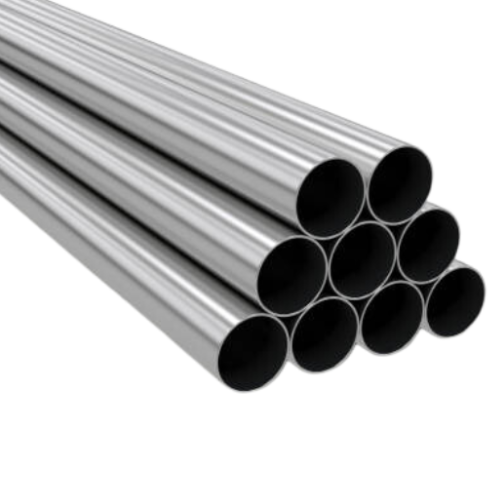
- 1 tonne of welded stainless steel tubes
- Declared product range
- Ø 15–108 mm, wall thickness 1.0–2.0 mm, standard length 6 m
- Recycled content
- 73% of the mass of the tubes (post-consumer)
- Carbon footprint (GWP-total), modules A1–A3
- 4,360 kg CO₂ eq. per 1 t of tubes, i.e. 4.36 kg CO₂ eq. per 1 kg of tubes
- End of life in the calculation
- 87.9% of the steel from tubes recycled, 12.1% sent to inert landfill
Both EPDs and the TZÚS Praha verification no. 030-070029 are also available after signing in to the Downloads section.
How to read the figures
An EPD is a technical document. So that the figures are not read differently from the way they were calculated:
- Modules A1–A3 are the product stage under EN 15804: raw material supply, transport and manufacturing. The other declared modules — transport to site (A4), installation and packaging (A5, fittings only), end of life (C1–C4) and the benefits of recycling (D) — are in the full EPD.
- The figures are not intended for direct comparison with the EPDs of other products. Only declarations prepared under the same EN 15804 rules can be compared: the same product category rules, the same life-cycle modules and the same declared unit.
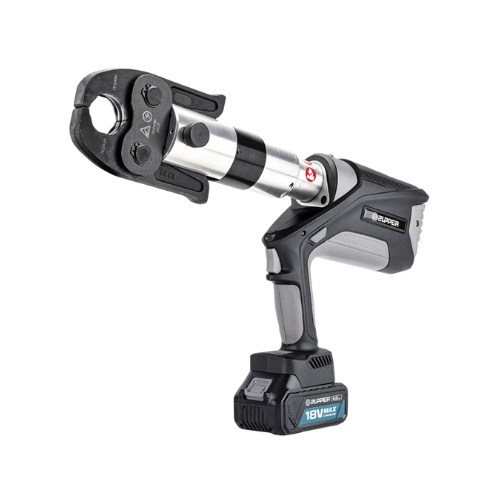
- Pressing is done without a naked flame and without welding gases. According to the EPD for the fittings, pressing with electric tools consumes a negligible amount of energy and is therefore not included in the calculation.
- Stainless steel is a fully recyclable material. At end of life the calculation assumes that 85% of the steel from fittings and 87.9% of the steel from tubes is recycled — this is a modelling assumption of the EPD, not a measured figure for a particular building.
- The use stage (modules B1–B7) is not declared: fittings and tubes are passive components that consume nothing in operation. The reference service life in the calculation is 50 years.
- Both EPDs apply only to TAVINOX PRESS press fittings and TAVINOX welded tubes. They do not cover the TAVINOX GROOVE system, press tools or seals sold separately.
- An EPD for the TAVINOX GROOVE system is in preparation, planned for 2027. Until it is published and verified, we state no environmental data for GROOVE.
What an EPD is used for in a project
- The building certification schemes LEED, BREEAM and SBToolCZ use EPDs as supporting evidence when construction products are assessed. Whether and how an EPD counts depends on the version of the scheme and on the project.
- On projects with green financing, the bank or the investor may ask for the EPDs of the products used.
- For the life-cycle assessment (LCA) of a building, the designer has verified figures from the supplier instead of generic database values.
According to the Global Status Report for Buildings and Construction 2025–2026 (UNEP, GlobalABC), buildings and construction account for around 37% of global CO₂ emissions. That is why construction products are assessed on verified data such as an EPD.
Source: UNEP report