

AISI 316L vs. 304L — which material for which environment?
A comparison of the two stainless steels. How molybdenum affects resistance to chlorides.
Basic characteristics
Both steels belong to the family of austenitic stainless steels, but they differ in their molybdenum and carbon content:
- AISI 316L (1.4404): 2–3% molybdenum, max. 0.03% carbon
- AISI 304L (1.4307): no molybdenum, max. 0.03% carbon
The letter L stands for low carbon — a low carbon content, which improves resistance to intergranular corrosion during welding and thermal loading.
Molybdenum — the key difference
The molybdenum in 316L significantly increases resistance to pitting and crevice corrosion in environments containing chlorides. This is decisive for:
- chemical cleaning of pipework (aggressive disinfectants)
- Legionella prevention (high temperatures + chemical disinfection)
- swimming pools and water parks (chlorinated water)
- industrial environments with a high chloride content
304L is not suitable for these applications — without molybdenum it cannot withstand localised corrosion.
When to use 316L (TR10MM)
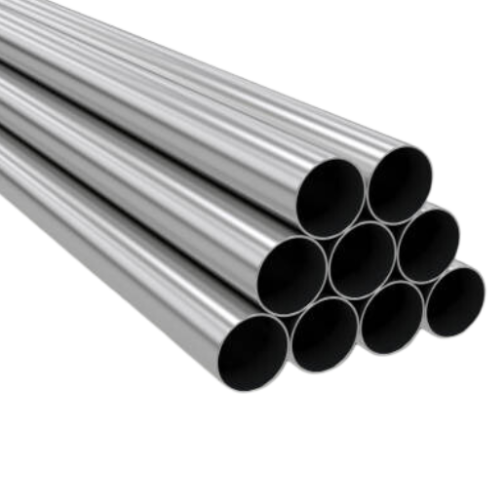
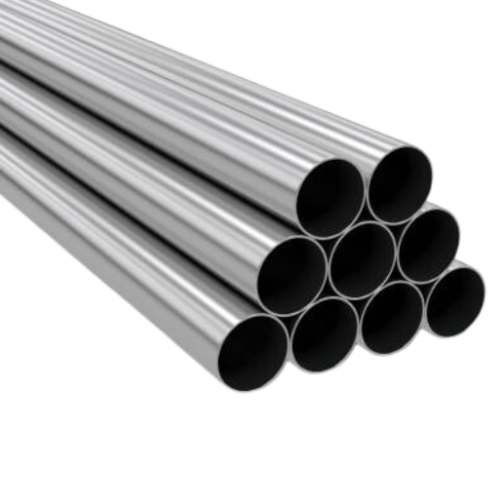
TAVINOX TR10MM tubes in 316L are intended for:
- drinking water with an increased chloride content
- hospitals and healthcare facilities (mandatory disinfection)
- systems with chemical cleaning against Legionella
- swimming pools, water parks, wellness centres
- the food industry
- aggressive industrial environments
When 304L is enough (TR60MM)
TAVINOX TR60MM tubes in 304L are suitable for:
- standard drinking water pipework in apartment buildings
- heating systems (closed circuit without chlorides)
- cooling and air conditioning
- compressed air
- ordinary commercial installations
Important: tubes in 304L hold the ITC certificate for drinking water and heating installations (product certificate No. 25 0088 V/AO/a covers the TAVINOX PRESS system in both 316L and 304L, d 15–108 mm). They are not DVGW certified, though — the DVGW certificate for TAVINOX PRESS tubes (DV-7301AT2558) covers only TR10MM tubes in 1.4404 (316L) steel, d 15–108 mm, not 1.4307 (304L). Where the project or the client requires DVGW, choose TAVINOX PRESS TR10MM tubes in 316L. Otherwise the limits of 304L concern chemical disinfection and environments with high chloride levels.
Price difference and recommendation
316L is roughly 15–25% more expensive than 304L. In practice we recommend:
For hospitals, schools and hotels with central hot water generation → always 316L
For family homes without central disinfection → 304L is enough
If in doubt → choose 316L (a higher initial cost, but a far lower risk of corrosion)
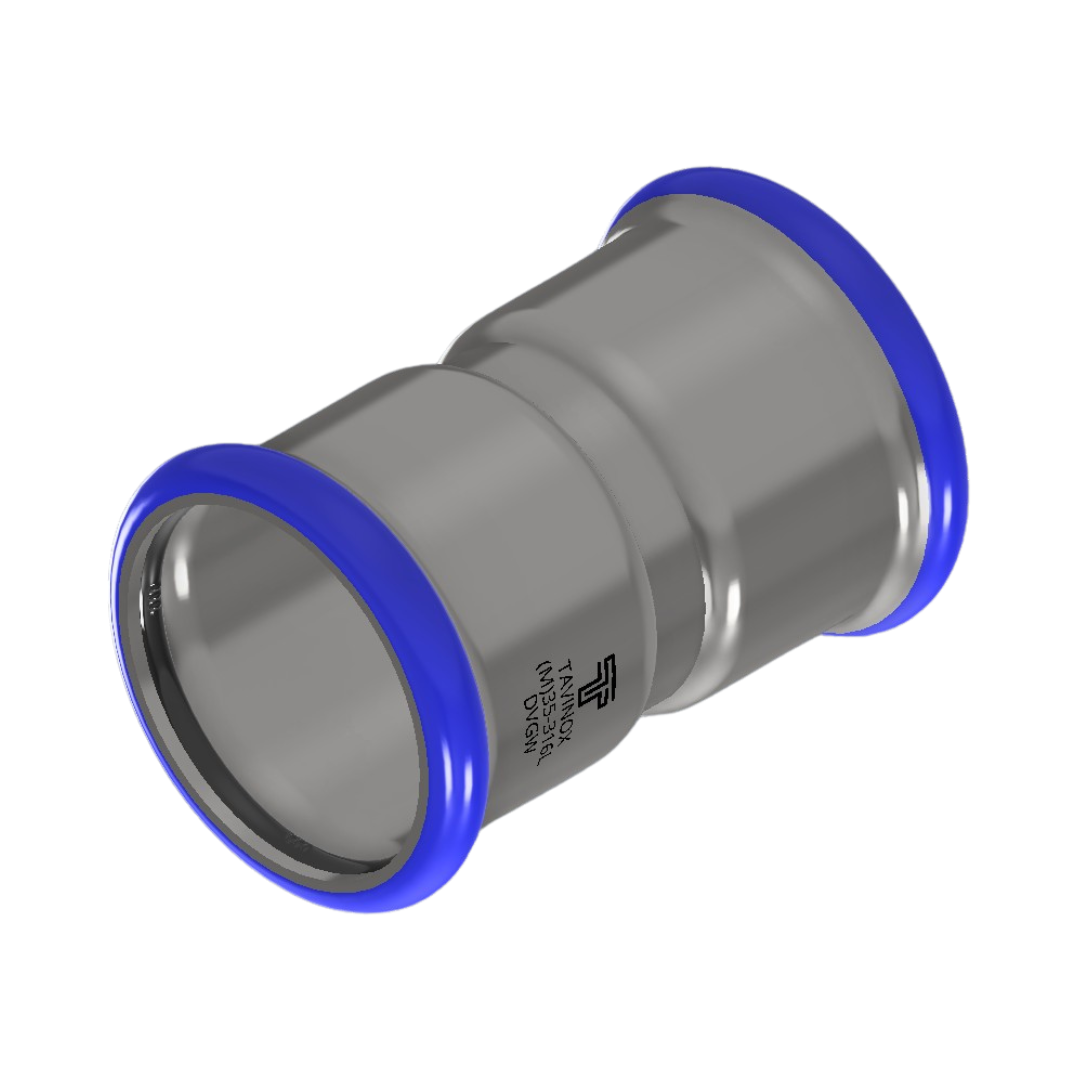
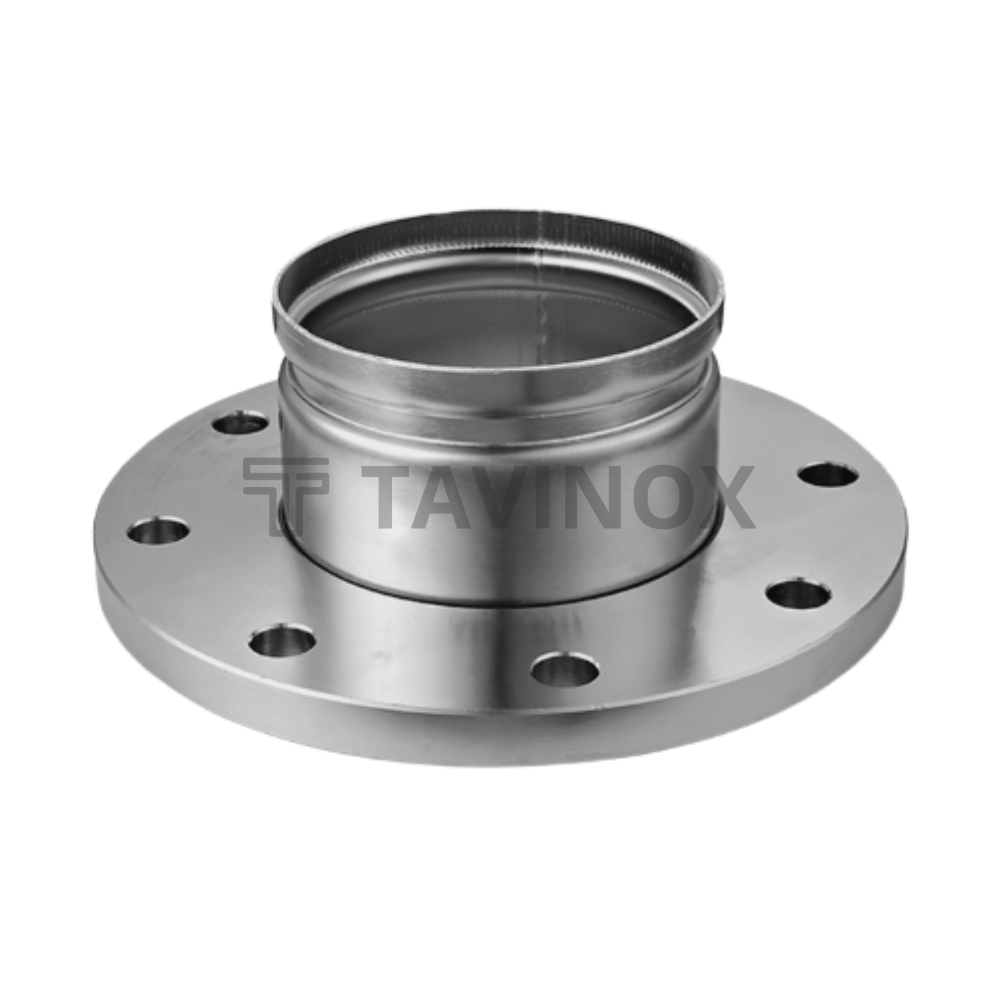
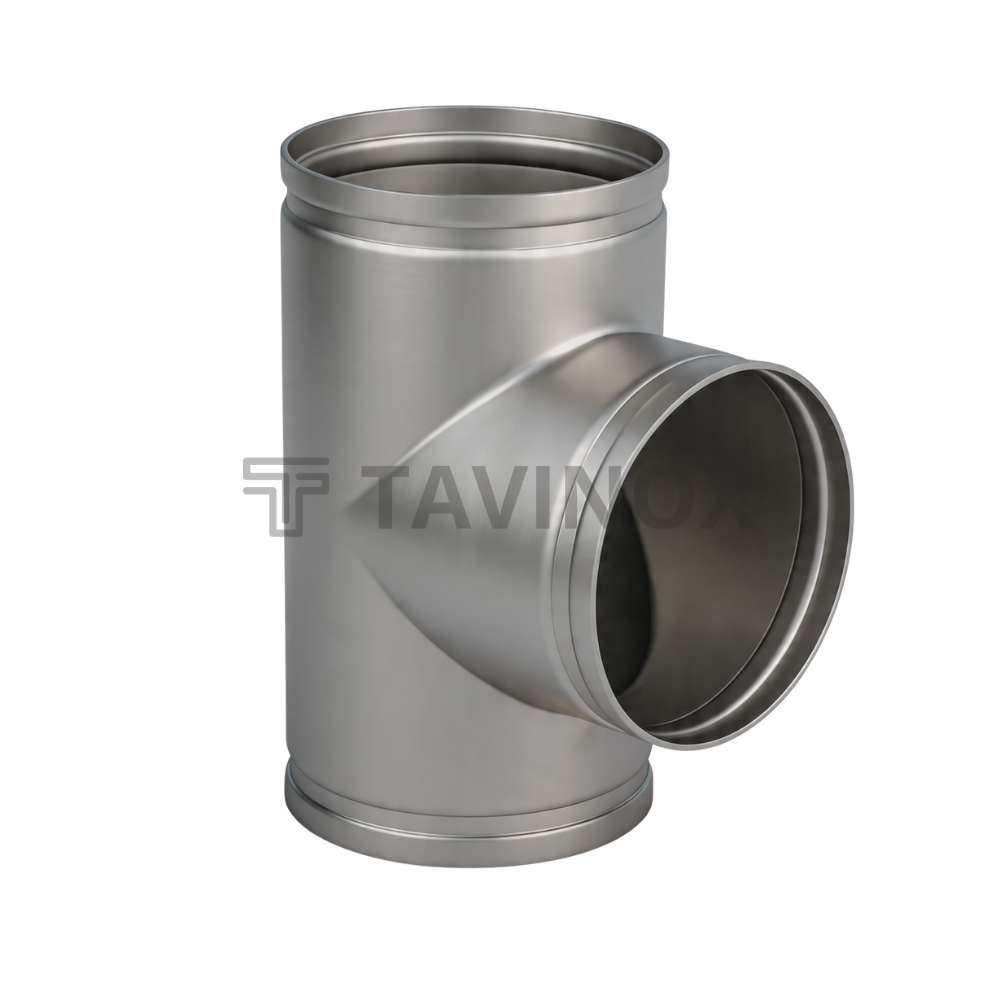
TAVINOX PRESS fittings are ALWAYS 316L — whatever type of tube is used
Would you like the TAVINOX PRESS installer certificate?
Complete the online training and get a certificate valid for 2 years.