
Service and industrial water
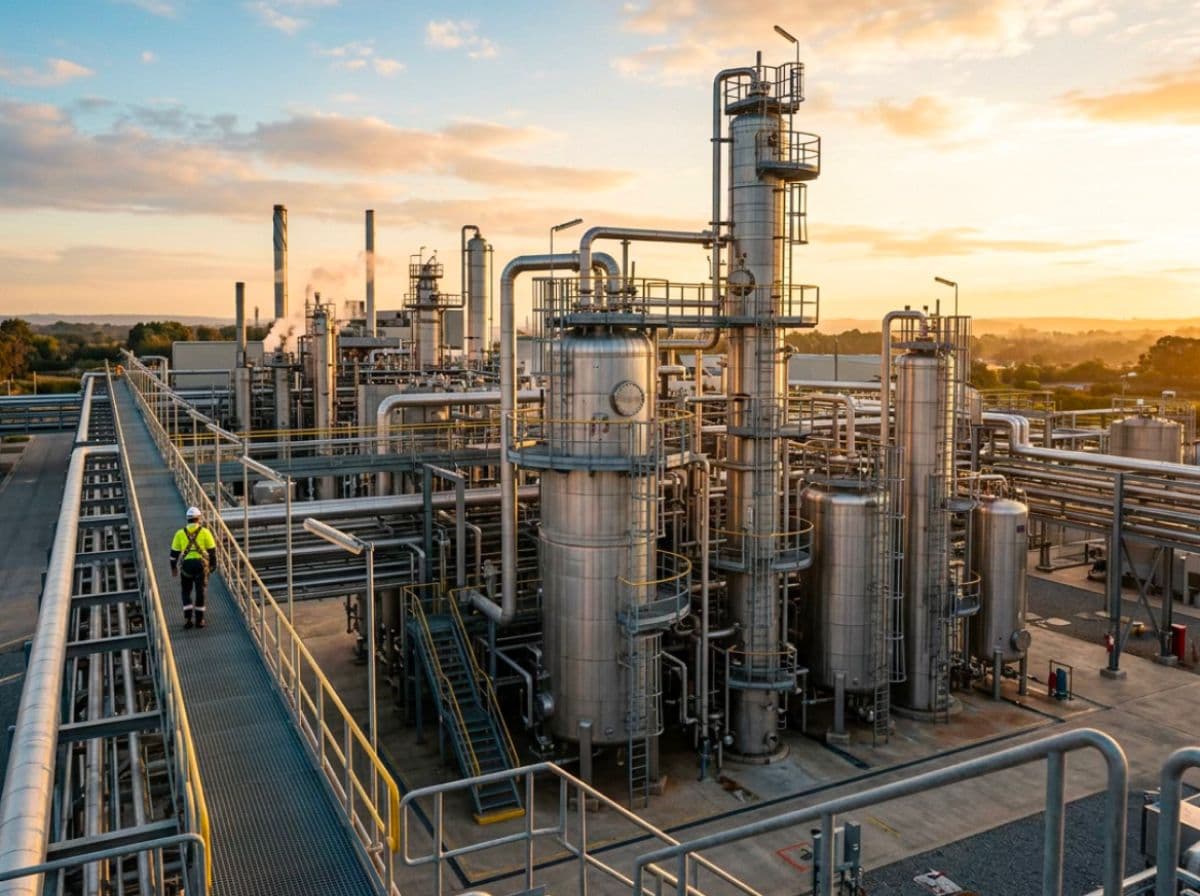
Treated, softened, rainwater or process water places higher demands than drinking water.
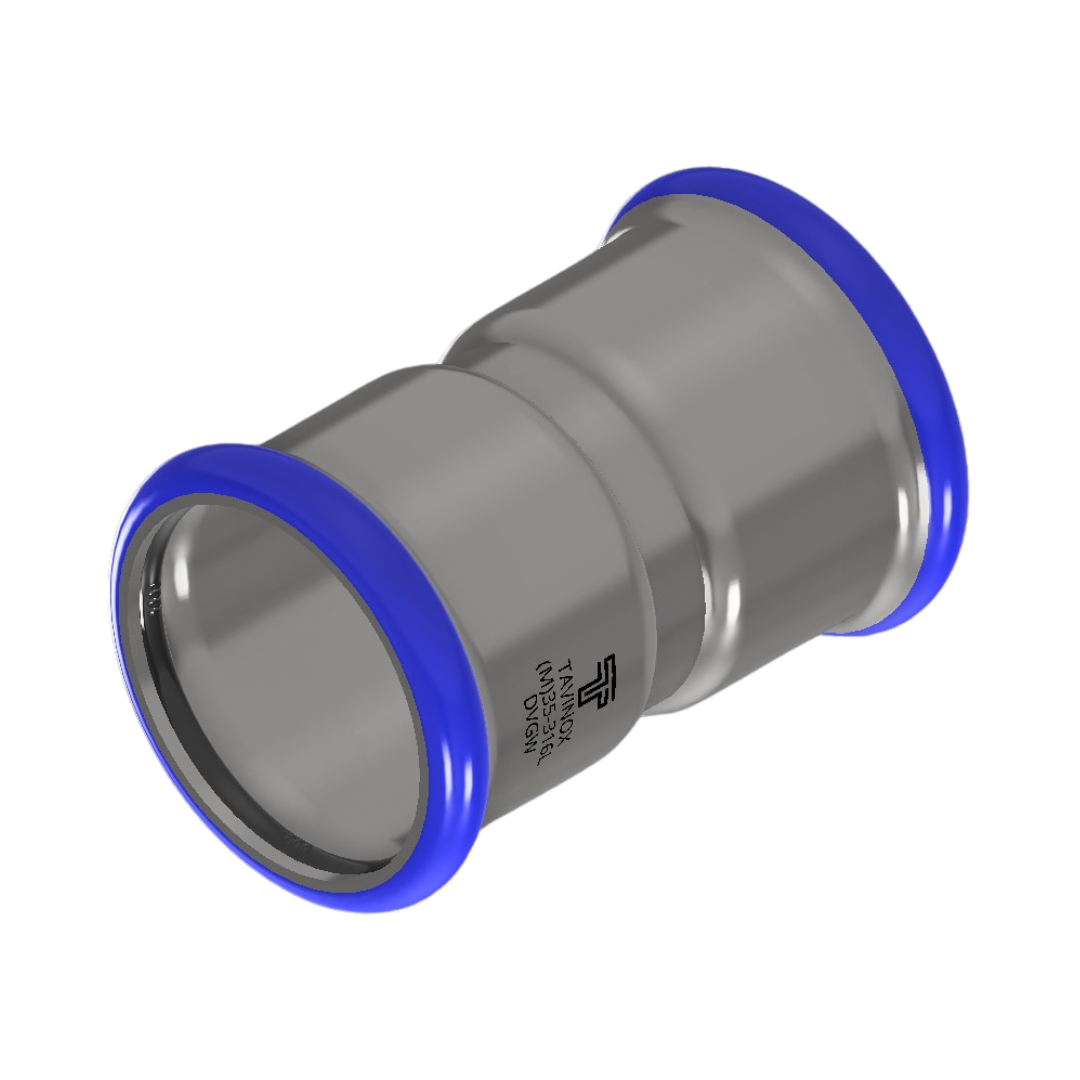
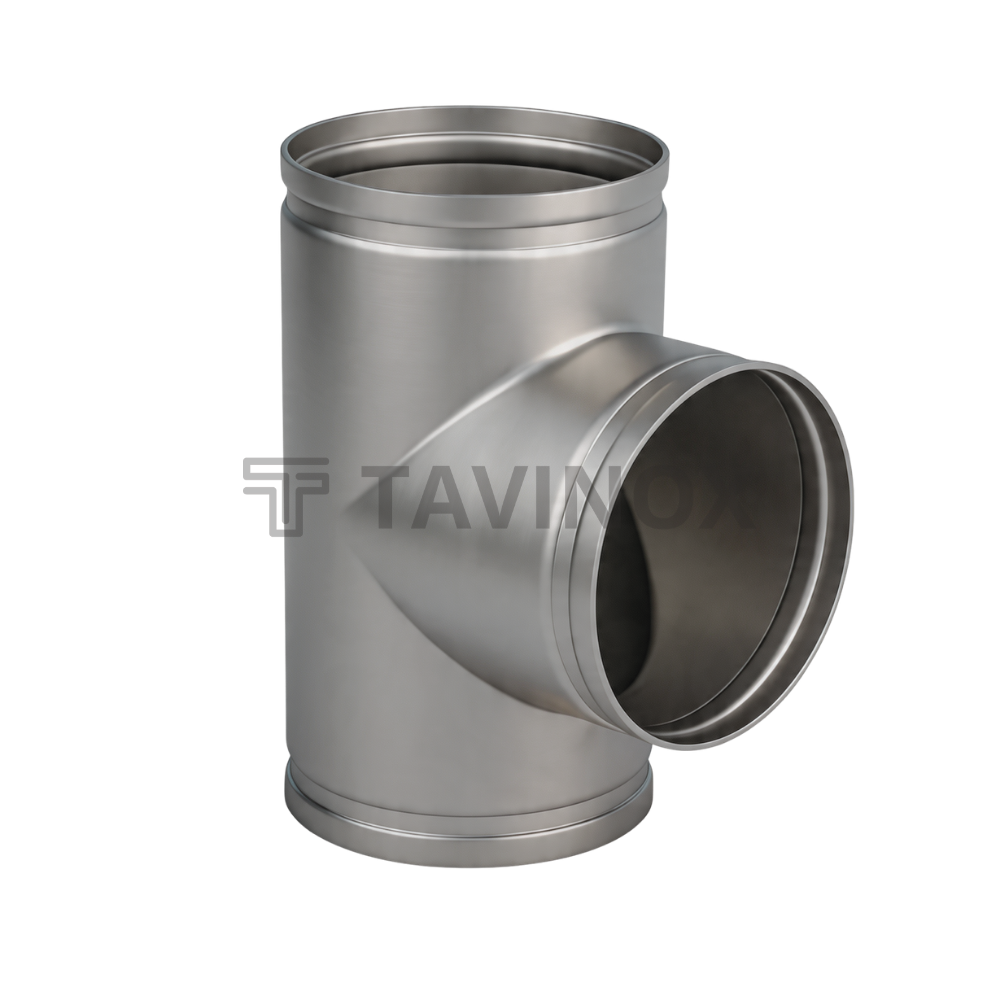
Chlorides up to 600 mg/l. Temperature up to 110 °C. Pressure up to 16 bar. Dimensions 15–323 mm. AISI 316L with 2–3 % Mo.
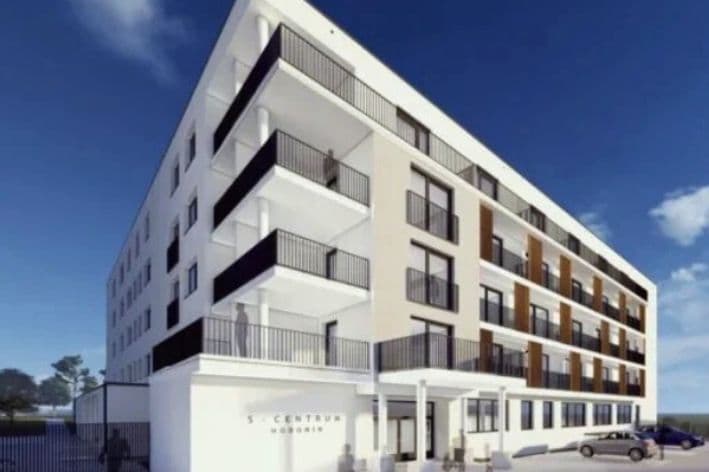
- S-Centrum Hodonín
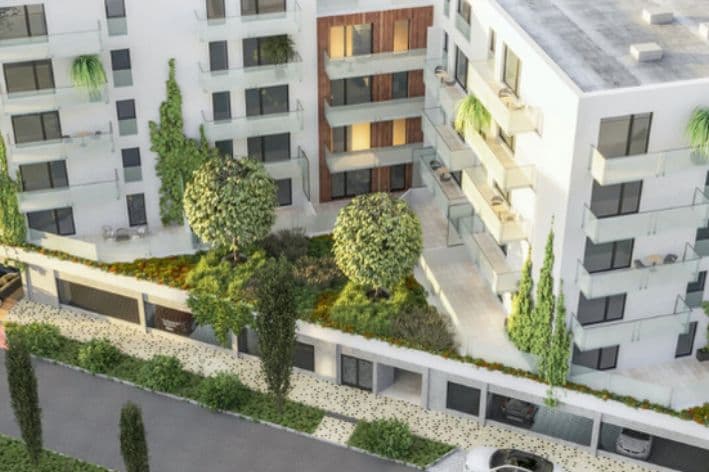
- Čtyři Dvory České Budějovice
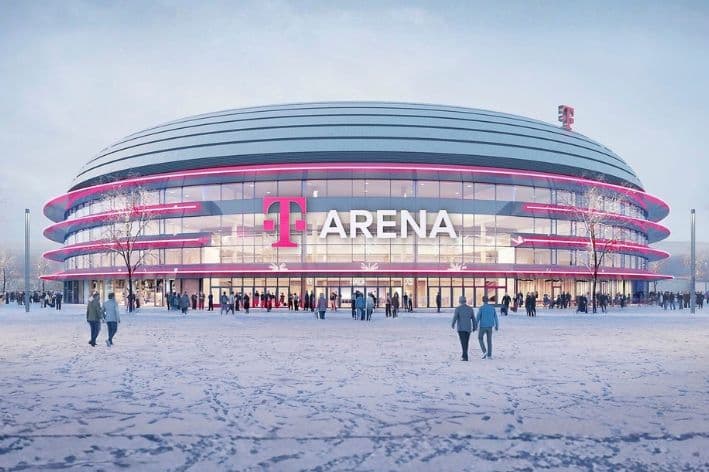
- Arena Brno
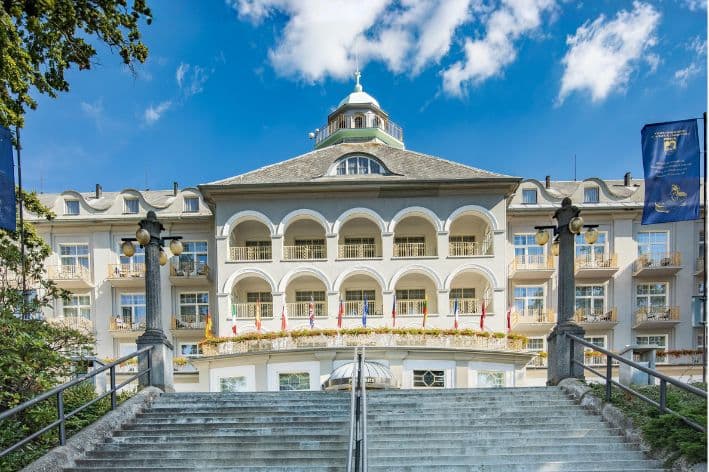
- Lázeňský hotel Albatros
- Onkologické centrum Motol
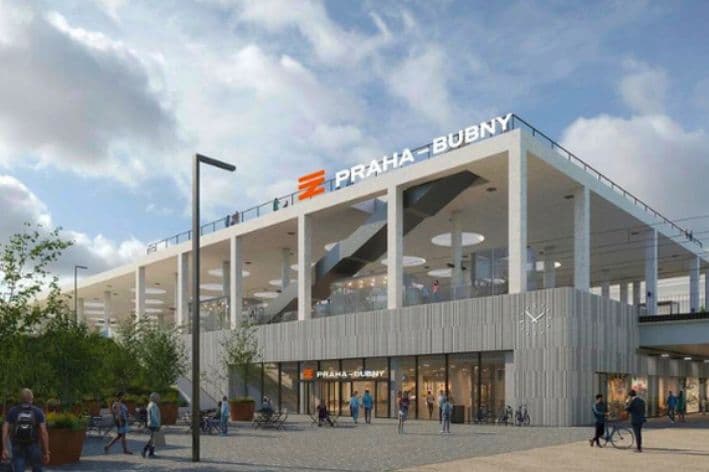
- Železniční stanice Praha-Bubny
Why stainless steel for service water distribution
Process water, demineralised water, rainwater and pool systems are typically more chemically demanding than drinking water.
Molybdenum for resistance
AISI 316L contains 2–3 % molybdenum, significantly increasing resistance to pitting and crevice corrosion in chemically demanding media.
Wide pH range
AISI 316L reliably operates in media with pH ≥ 6.5. From demineralised water to industrial process liquids.
Chloride resistance
Certified for media with chloride content up to 600 mg/l. Significantly above the 250 mg/l limit for drinking water.
Temperature resistance
Industrial water at 110 °C presents no challenge for stainless steel. Unlike plastics, which lose strength under these conditions.
One material for everything
From rainwater through pool technology to industrial processes. AISI 316L covers the full spectrum without the need to change material.
Compatibility with water treatment
Stainless steel is inert to reverse osmosis, ion exchange and softened water. No degradation even with long-term contact.
Designed for industrial and commercial buildings
 Apartment buildings
 Family houses
 Hotels
 Hospitals
 Industrial facilities
 Public buildings
Looking for other applications of the TAVINOX PRESS stainless steel system?
Other application areasTechnical parameters for service and industrial water
| Parameter | Value |
|---|---|
| Operating pressure (process water) | 16 bar |
| Max. operating temperature (process water) | 110 °C |
| Operating pressure (rainwater) | 6 bar |
| Max. operating temperature (rainwater) | 40 °C |
| Chloride limit (non-potable water) | 600 mg/l |
| Fitting material – PRESS | AISI 316L (1.4404) |
| Fitting material – GROOVE | AISI 304 (1.4301) / AISI 316L (1.4404) |
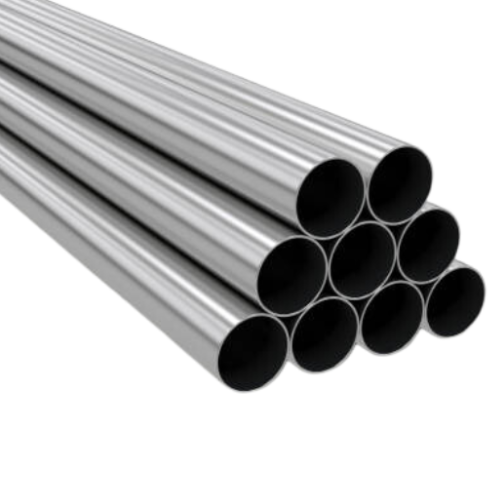
| Tube material | AISI 316L / AISI 304L |
| Size range – press-fit | 15–108 mm |
| Size range – grooved | 133–323 mm |
| Max. temperature – GROOVE | drinking water up to 80 °C, other media (e.g. heating) up to 110 °C |
| Press profile | M |
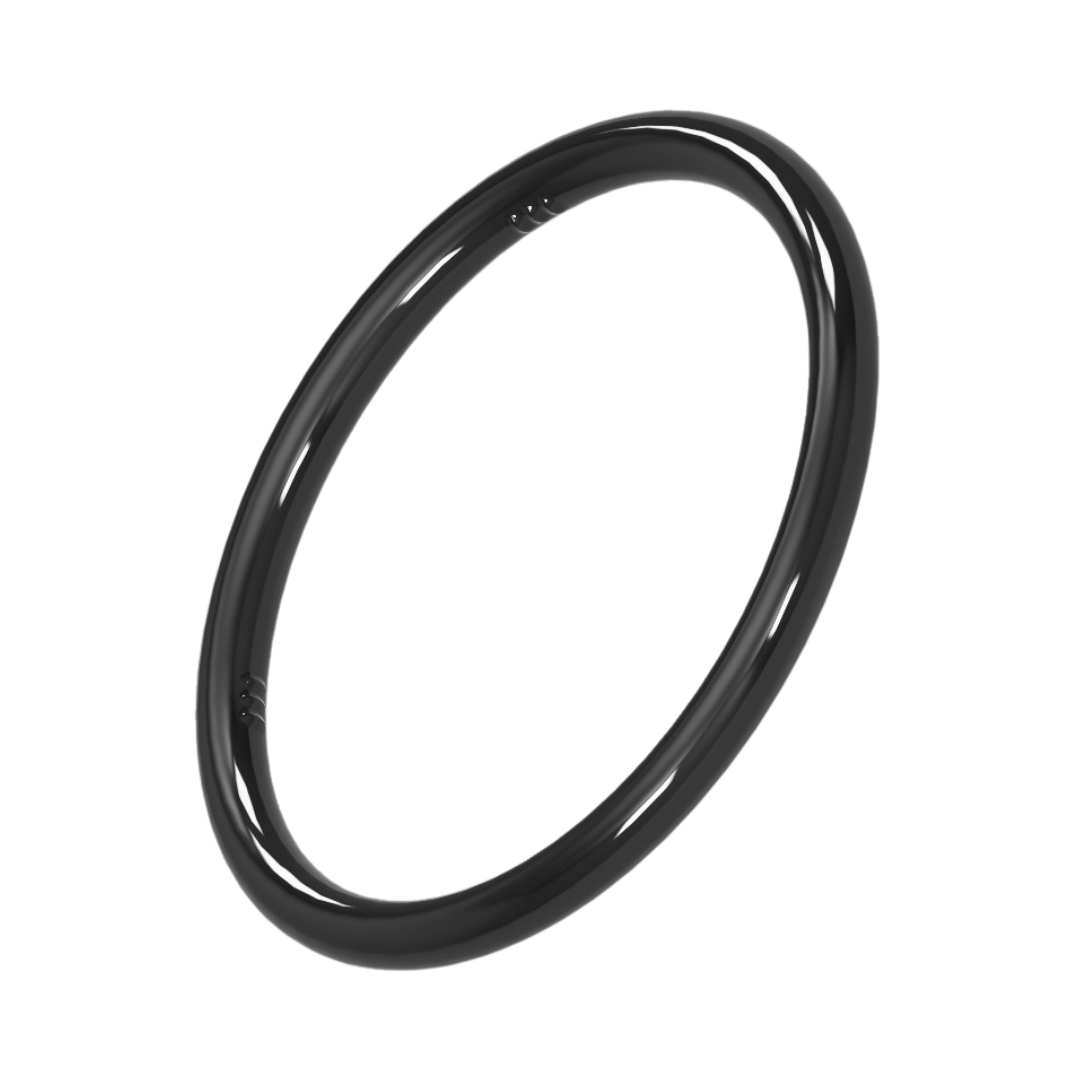
| Seal – PRESS | EPDM (−55 °C to +120 °C) |
| Unpressed-joint detection | Leak Detect (from 0.1 bar) + blue indicator ring |
Connection to other materials: Combination with copper and other stainless steels is unrestricted. With carbon steel only via a brass dielectric nipple (min. 50 mm), with the flow always running from carbon steel to stainless steel. The complete parameters of the TAVINOX PRESS system are given in the technical manual.
Downloads
TAVINOX PRESS Technical Manual
includes sections such as:
- AISI 316L — chemical resistance
- Industrial and laboratory applications
- Demineralised water and reverse osmosis
- Swimming pool systems — guidance
- Sizing of industrial pipework
“Industrial process water is more demanding than drinking water. Higher temperatures, chlorides, aggressive pH — that is a challenge for the material.”
TAVINOX PRESS in AISI 316L with molybdenum handles conditions where other materials fail.
Other application areas of the TAVINOX stainless steel system

Drinking water distribution
AISI 316L / 304L, ITC certified, 316L also DVGW certified. Hygienically safe, biofilm-free, no chemical water treatment required.
More information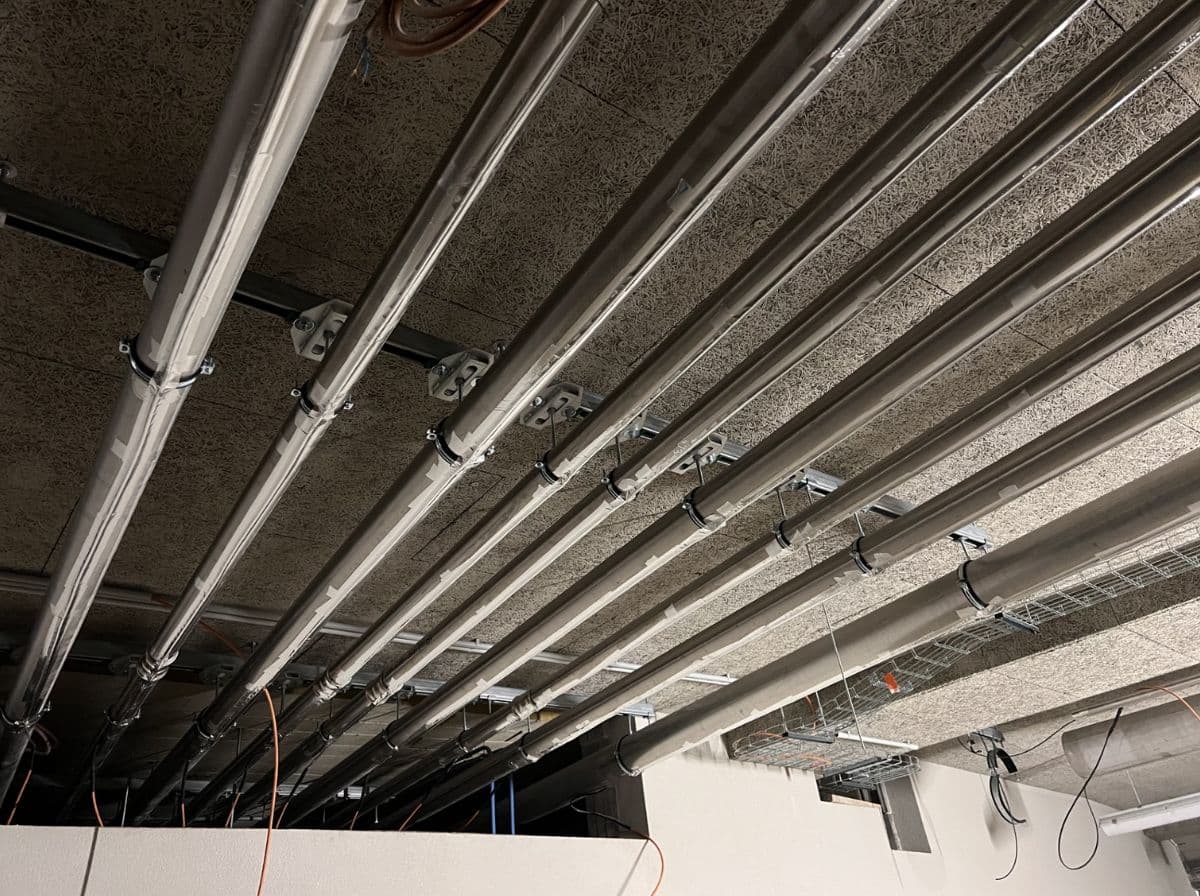
Heating systems
16 bar / 110 °C, EN 12828. Zero oxygen diffusion, clean heating circuit, no chemical water treatment.
More information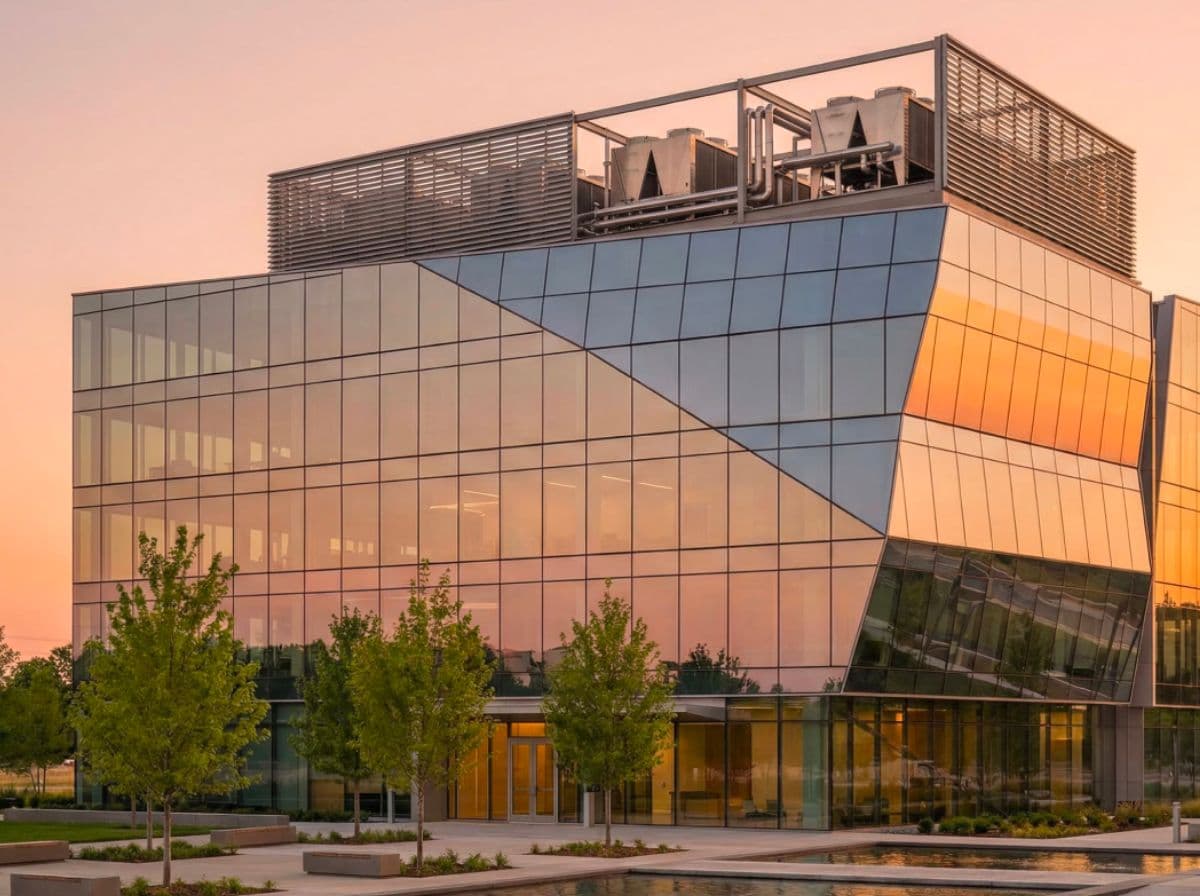
Cooling and air-conditioning pipework
6 bar / –10 °C. Resistant to external condensation, inert to water/glycol 50/50 mixtures.
More information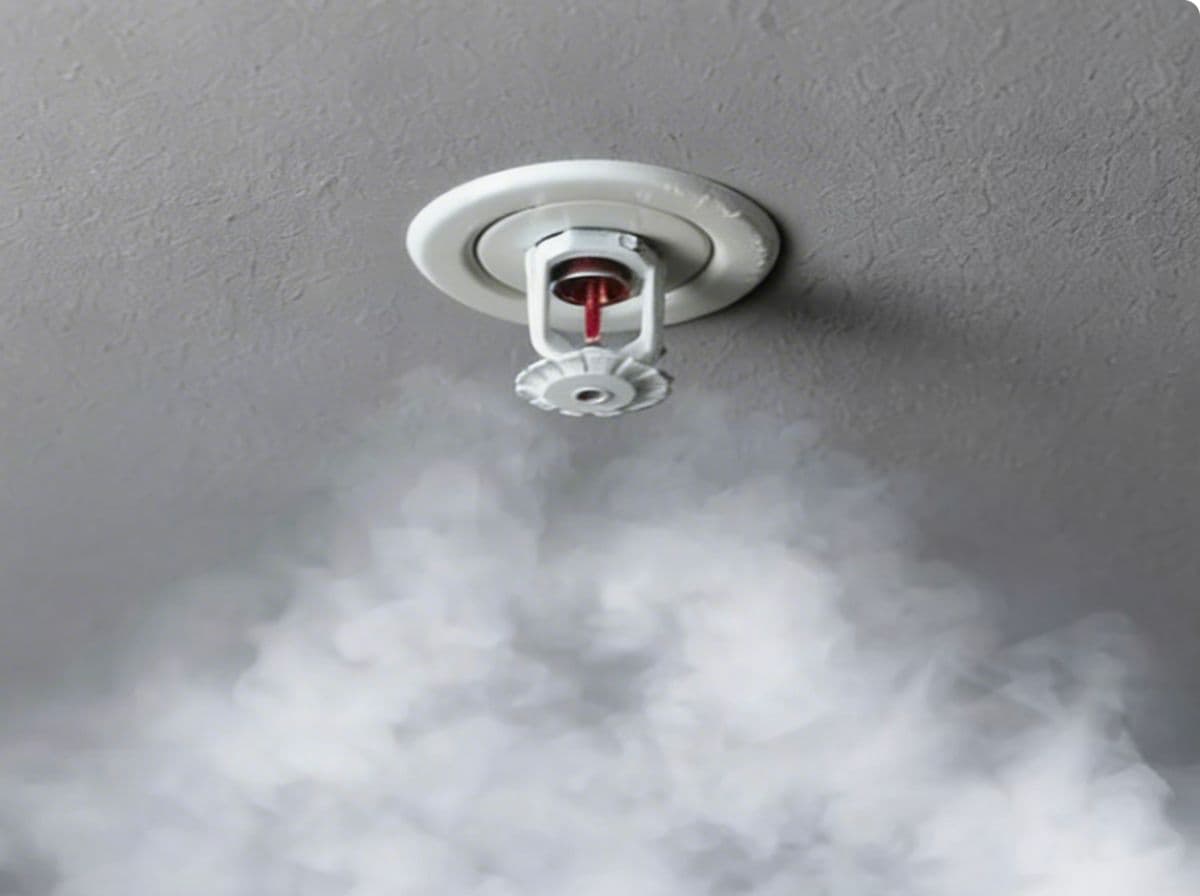
Fire protection pipework
PAVUS certification per VdS CEA 4001. Ø22–108 mm, wet and dry systems. Classes LH, OH1–OH4.
More information
Compressed air distribution
10 bar / 60 °C, class 1–3 per ISO 8573-1. Vacuum to –0.8 bar. Zero internal corrosion, clean air without contamination.
More information
Heat pumps and solar systems
6 bar, –35 to +110 °C, short-term 200 °C. Inert to glycol mixtures, one material for both heat pump modes.
More information